Water Seepage & Damp Wall Solutions
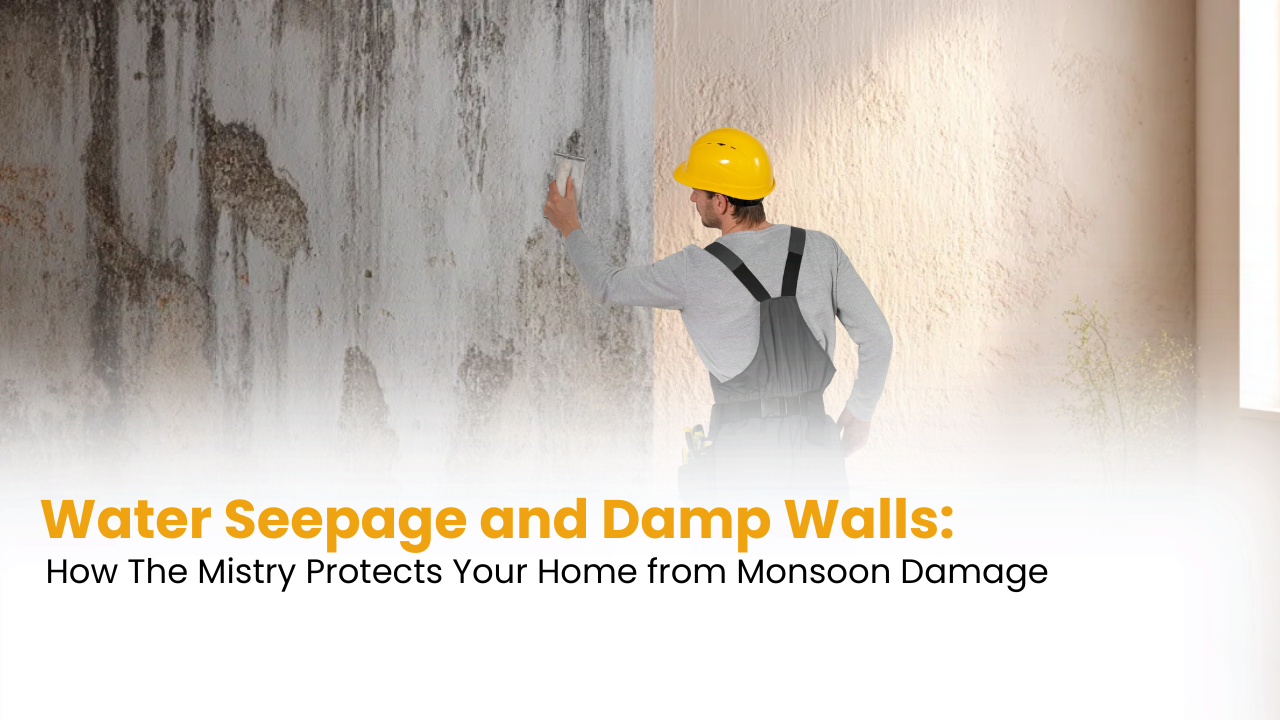
Protect your home from monsoon damage with The Mistry. Expert waterproofing, crack repair, and damp wall solutions ensure a safe, dry, and mould-free home.
Water seepage is one of the most common and frustrating problems faced in Indian homes, especially during the monsoon season. Those damp patches on walls, peeling paint, and a musty smell can ruin the beauty of your interiors. But beyond aesthetics, seepage also creates health risks. Moist walls become a breeding ground for fungus and mold, which can trigger allergies, asthma, and breathing problems. Understanding why seepage happens and how to prevent it can save your home from long-term structural damage—and this is exactly where The Mistry provides expert, reliable solutions.
Seepage can start small but spread quickly. Whether it’s moisture entering through cracks, leaking pipelines inside walls, or improper waterproofing on the terrace, these issues need attention before the monsoon arrives. Here’s a clear, SEO-friendly, and human-written guide on what causes water seepage, how to prevent it, and when you should call The Mistry for a lasting fix.
Why Water Seepage Happens
Seepage doesn’t occur randomly. It always has a source—and identifying the source early prevents bigger problems.
1. Cracks in External Walls
Over time, heat, dust, rain, and normal wear and tear create fine cracks on the outer walls of your home. During monsoons, rainwater enters these cracks and slowly travels inside. This moisture seeps through internal walls, forming damp patches, bubbles, and peeling paint. Even tiny cracks can let in a surprising amount of water during heavy rains.
2. Poor Waterproofing
In many Indian homes, waterproofing on terraces, roofs, and external walls is either outdated, damaged, or poorly done during construction. When waterproofing weakens, it cannot stop rainwater from penetrating the structure. This is one of the major reasons seepage appears again and again every monsoon.
3. Leaking Pipes Inside Walls
Pipes running inside your bathroom or kitchen walls may develop small leaks due to rust, pressure, or age. Even slow dripping can deposit enough moisture to create dampness. This type of seepage often appears as stains, discolouration, or soft patches on walls, especially near bathrooms.
4. Roof or Terrace Issues
A terrace that slopes incorrectly, collects water, or has blocked drainage is almost guaranteed to cause seepage. When rainwater pools on the terrace for hours, it slowly penetrates through the slab and shows up as dampness on ceilings or upper-floor walls. This kind of seepage keeps returning until the root cause is fixed.
5. Gaps Around Windows and Doors
Poor sealing around windows lets rainwater enter during storms. Over time, this creates moisture along the window frames and nearby walls.
How to Prevent Water Seepage
While seepage can be severe, the good news is that prevention is possible with timely care and maintenance.
1. Annual Waterproofing
Applying waterproofing chemicals or coatings once a year—especially before monsoon—protects the walls and terrace from moisture. This prevents water from entering through cracks, gaps, or porous surfaces.
2. Fix Cracks Immediately
Even small cracks must be sealed with waterproof putty or crack fillers. Leaving them unattended allows rainwater to enter during monsoon and worsens the seepage problem.
3. Check Terrace Water Flow
Ensure your terrace slopes correctly towards the drain. Remove leaves, dirt, and waste that clog drainage points. A clean and correctly sloped terrace prevents water accumulation.
4. Maintain External Paint
Exterior weatherproof paint helps reduce moisture absorption. Repainting every few years safeguards the home structure and keeps seepage under control.
5. Inspect Bathrooms and Kitchens
Look for loose tiles, damp corners, or swollen paint. These signs often point to internal pipe leakage. Fixing the source early saves time, money, and structural damage.
6. Improve Ventilation
Proper airflow prevents moisture from collecting on walls. Using exhaust fans and keeping rooms ventilated helps reduce dampness and mold.
When to Call The Mistry
If seepage keeps returning every monsoon or appears suddenly during dry weather, it’s time to call The Mistry for a professional inspection. You should contact experts if:
1. Dampness appears repeatedly in the same spot
This usually means there is an internal pipe leak or a structural gap that needs expert repair.
2. Paint bubbles, flakes, or turns powdery
These are signs of deep moisture issues that simple repainting won’t fix.
3. A musty or fungal smell spreads in the room
This indicates mold growth, which can cause serious respiratory issues.
4. Seepage spreads across multiple walls or floors
This means the root cause is major and requires expert waterproofing.
5. Ceiling dampness appears directly below the terrace
This is a clear signal that terrace waterproofing has failed.
Why The Mistry Is the Best Solution for Seepage Problems
The Mistry provides long-term and scientific waterproofing solutions. Their experts identify the exact source of moisture using professional tools and then deliver treatments that fix seepage from the root—not just the surface. Whether it’s external cracks, terrace waterproofing, pipeline leakage, or wall dampness, The Mistry ensures a clean, durable, and permanent solution.
With expert technicians, quality materials, and guaranteed results, The Mistry keeps your home safe, dry, and fresh—season after season.