Water Pressure Problems in Homes: Causes & Professional Solutions
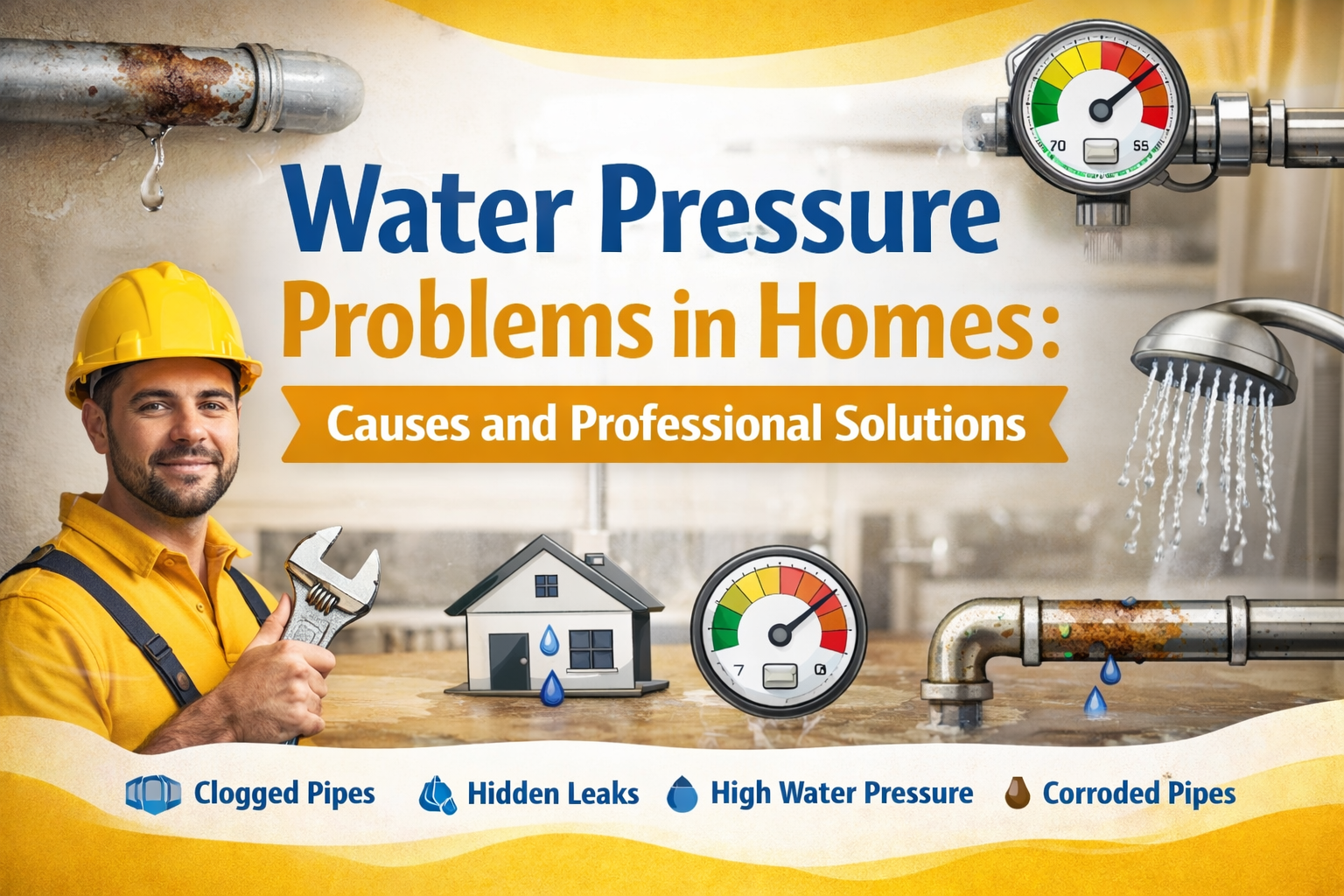
Facing low or high water pressure at home? Discover common causes, expert solutions, and maintenance tips. Get reliable plumbing help with The Mistry.
Water Pressure Problems in Homes: Causes and Professional Solutions
Water pressure is an important part of a comfortable and functional home. Whether you are taking a shower, washing dishes, doing laundry, or cleaning the house, proper water pressure makes everyday tasks easier and more efficient. However, many homeowners experience water pressure problems at some point. Sometimes the water flow becomes too weak, while in other cases it becomes too strong and damages plumbing fixtures.
Low or inconsistent water pressure can be frustrating and may indicate deeper plumbing issues. Ignoring these problems can lead to damaged pipes, higher water bills, and poor performance of household appliances. Understanding the causes of water pressure problems and knowing when to seek professional help can protect your plumbing system and maintain comfort at home.
Professional services like The Mistry connect homeowners with skilled plumbers who can quickly diagnose and fix water pressure issues safely and efficiently.
Let’s explore the common causes of water pressure problems in homes and the professional solutions available.
Understanding Normal Water Pressure
Before identifying a problem, it is important to understand what normal water pressure looks like. Most homes function well with water pressure between 40 to 60 PSI (pounds per square inch). This level ensures that water flows smoothly through taps, showers, and appliances without putting excessive stress on pipes.
If water pressure drops too low, everyday tasks become slow and inconvenient. On the other hand, extremely high pressure can damage pipes, fixtures, and appliances.
Recognizing abnormal pressure early can prevent long-term plumbing problems.
Common Causes of Low Water Pressure
1. Clogged Pipes
Over time, minerals, rust, and debris can accumulate inside plumbing pipes. This buildup reduces the space inside the pipe, restricting water flow and lowering pressure.
This problem is more common in areas with hard water, where mineral deposits slowly collect in pipes and fixtures.
Professional solution:
A plumber can inspect the plumbing system and remove blockages using specialized cleaning tools or pipe flushing techniques.
2. Hidden Water Leaks
Water leaks inside walls, floors, or underground pipes can reduce water pressure significantly. When water escapes before reaching the tap, the pressure drops.
Signs of hidden leaks include:
- Damp spots on walls or ceilings
- Unusually high water bills
- Water stains or mold growth
- Reduced pressure in multiple taps
Professional solution:
Experienced plumbers use leak detection equipment to locate hidden leaks and repair damaged pipes before the issue worsens.
3. Faulty Pressure Regulator
Many homes have a pressure regulator that controls water pressure entering the plumbing system. If this device becomes damaged or malfunctions, water pressure may suddenly drop or increase.
Professional solution:
Technicians inspect the pressure regulator and adjust or replace it if necessary to restore proper water pressure.
4. Corroded Plumbing Pipes
Older homes often have metal pipes that can corrode over time. Corrosion reduces pipe diameter and restricts water flow.
In severe cases, corrosion can cause leaks or pipe bursts.
Professional solution:
Plumbers may recommend replacing damaged pipes with modern materials such as PVC or copper for better water flow and durability.
5. Partially Closed Valves
Sometimes the problem is simpler than expected. If the main water valve or meter valve is partially closed, it can restrict water flow to the entire house.
Professional solution:
A technician checks all valves to ensure they are fully open and functioning properly.
Causes of High Water Pressure
While low pressure is common, extremely high water pressure can also cause problems.
High water pressure can lead to:
- Leaking pipes
- Damaged faucets
- Appliance malfunction
- Increased water bills
Common reasons for high pressure
- Faulty pressure regulator
- High municipal water supply pressure
- Incorrect plumbing installation
Professional solution:
Plumbers install or adjust pressure regulators to keep water pressure within safe limits.
How Water Pressure Problems Affect Your Home
Ignoring water pressure issues can cause several long-term problems.
Appliance Damage
Appliances such as washing machines, dishwashers, and water heaters depend on proper water pressure. Extremely high or low pressure can reduce their efficiency and lifespan.
Pipe Damage
High pressure puts stress on pipes, increasing the risk of leaks or bursts.
Poor Household Functionality
Low pressure makes tasks like showering, washing dishes, and cleaning more difficult and time-consuming.
Increased Water Bills
Hidden leaks and pressure issues can waste large amounts of water, leading to higher monthly bills.
Professional Plumbing Solutions for Water Pressure Issues
Professional plumbers use several methods to fix water pressure problems.
Plumbing System Inspection
Technicians inspect the entire plumbing network to identify blockages, leaks, or faulty components.
Leak Detection and Repair
Advanced tools help locate hidden leaks in walls or underground pipes, allowing accurate repairs.
Pipe Cleaning and Replacement
If pipes are clogged or corroded, plumbers clean or replace them to restore proper water flow.
Pressure Regulator Adjustment
Installing or adjusting pressure regulators ensures the water pressure remains within a safe range.
Simple Tips to Maintain Healthy Water Pressure
Homeowners can take a few simple steps to avoid water pressure issues.
- Clean faucet aerators regularly
- Avoid flushing non-degradable items down drains
- Schedule periodic plumbing inspections
- Fix leaks immediately
- Install water pressure regulators if necessary
These preventive steps help maintain a reliable plumbing system.
How The Mistry Helps Solve Plumbing Issues
Finding a reliable plumber quickly can sometimes be challenging. The Mistry simplifies the process by connecting homeowners with experienced plumbing professionals.
With The Mistry, homeowners benefit from:
- Skilled and verified plumbers
- Quick home service appointments
- Safe and reliable plumbing repairs
- Transparent pricing without hidden charges
Whether you are facing low water pressure, leaking pipes, or plumbing blockages, trained technicians can diagnose and solve the problem efficiently.
Conclusion
Water pressure plays a vital role in maintaining a comfortable and functional home. Problems such as clogged pipes, hidden leaks, faulty regulators, and corroded plumbing can reduce water pressure or cause it to become dangerously high.
Identifying the causes early and seeking professional help can prevent serious plumbing damage and improve water efficiency in your home.
With trusted services like The Mistry, homeowners can easily connect with experienced plumbers who diagnose water pressure issues and provide reliable solutions. Regular plumbing maintenance and timely repairs ensure your home’s water system remains efficient, safe, and trouble-free for years to come.
FAQs
1. What causes low water pressure in homes?
Low water pressure is usually caused by clogged pipes, hidden leaks, corroded plumbing, faulty pressure regulators, or partially closed valves.
2. Is high water pressure dangerous for plumbing?
Yes, high water pressure can damage pipes, cause leaks, and reduce the lifespan of appliances like washing machines and water heaters.
3. How can I check my home’s water pressure?
You can use a pressure gauge attached to a faucet. Ideal water pressure should be between 40 to 60 PSI.
4. When should I call a professional plumber for water pressure issues?
You should contact a plumber if pressure changes suddenly, multiple fixtures are affected, or you notice leaks, high bills, or unusual noises in pipes.
5. How can I prevent water pressure problems in the future?
Regular maintenance like cleaning aerators, fixing leaks quickly, checking valves, and installing a pressure regulator can help maintain stable water pressure.