Power Socket Problems at Home: Warning Signs You Should Never Ignore
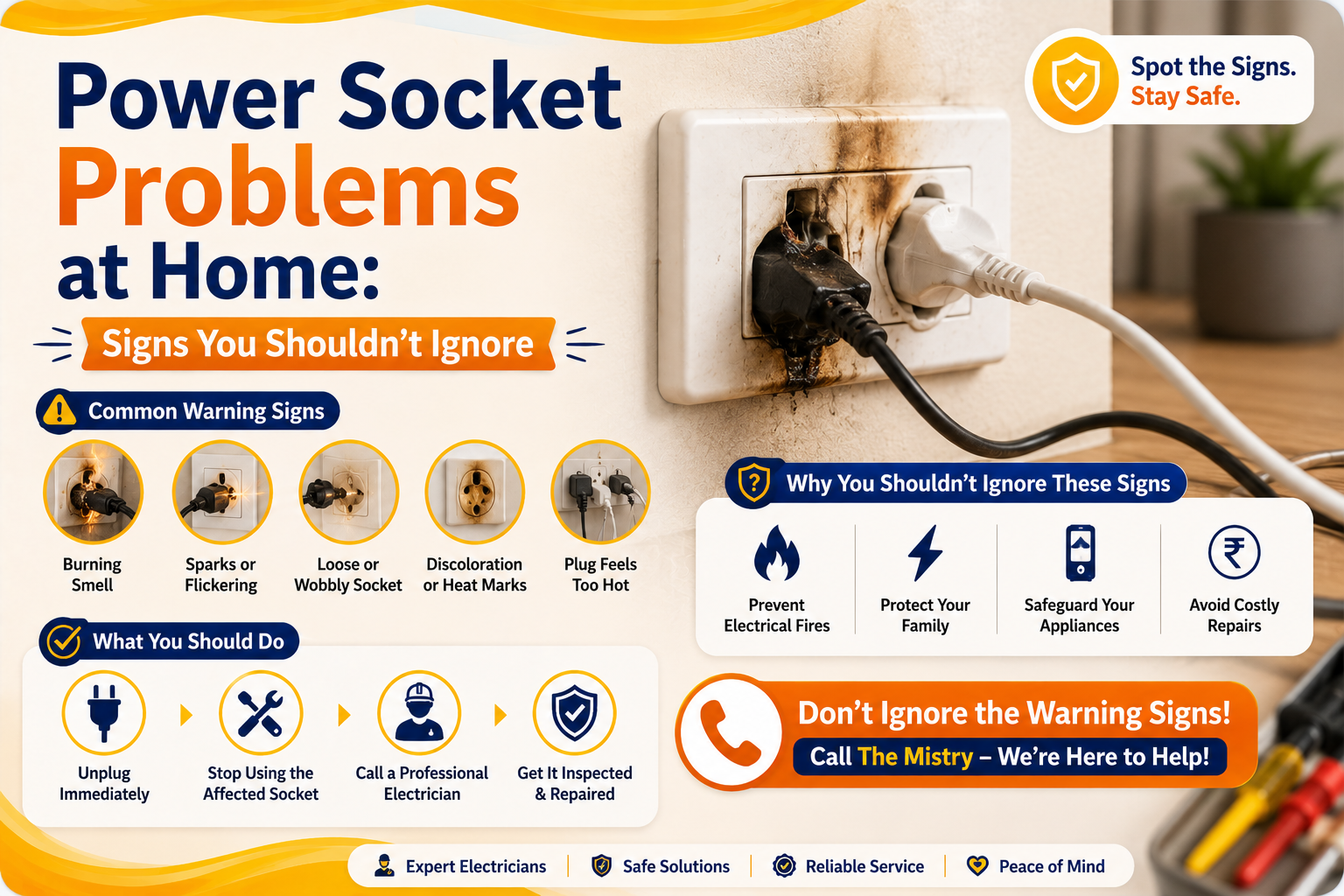
Discover common power socket problems, warning signs, and safety tips. Learn when to call professional electricians from The Mistry for reliable repairs.
Power sockets are one of the most used electrical components in any home. From charging mobile phones to running appliances like televisions, refrigerators, and laptops, sockets play a crucial role in everyday life. Because of frequent use, power sockets can develop problems over time.
Many homeowners ignore small issues like a loose socket or occasional sparks, thinking they are not serious. However, these minor signs can indicate deeper electrical problems that may lead to electric shocks, appliance damage, or even fire hazards.
Understanding the warning signs of power socket problems and taking timely action can help keep your home safe. Professional services like The Mistry connect you with skilled electricians who can fix these issues safely and efficiently.
Let’s explore the common power socket problems, their warning signs, and how experts handle them.
Why Power Socket Safety Is Important
Power sockets are directly connected to your home’s electrical system. Any fault in a socket can affect not just one device but the entire circuit.
Risks of ignoring socket problems:
- Electric shocks
- Short circuits
- Fire hazards
- Damage to appliances
- Power interruptions
Taking socket issues seriously ensures the safety of your home and family.
Common Power Socket Problems
Power sockets may develop different types of issues over time. Here are the most common ones:
1. Loose Power Sockets
A loose socket is one of the most common problems in homes. Over time, frequent plugging and unplugging can weaken the socket.
Signs:
- Plug does not fit tightly
- Device disconnects easily
- Socket moves when touched
Why it is dangerous:
Loose connections can cause sparks and overheating, increasing the risk of fire.
2. Burn Marks or Discoloration
If you notice black marks or discoloration around a socket, it is a serious warning sign.
Causes:
- Overheating
- Faulty wiring
- Overloaded circuits
Why it matters:
Burn marks indicate that the socket has already experienced overheating and needs immediate attention.
3. Sparking Sockets
Occasional small sparks when plugging in a device can be normal. However, frequent or large sparks are dangerous.
Signs:
- Visible sparks when using the socket
- Burning smell
- Crackling sound
Why it is risky:
Sparking can lead to electrical fires or damage connected devices.
4. Non-Working Sockets
Sometimes, a socket may stop working completely.
Possible reasons:
- Internal wiring damage
- Faulty switch
- Tripped circuit breaker
What it indicates:
A non-working socket may be a sign of a larger electrical issue.
5. Overheating Sockets
Sockets should never feel hot when in use. Heat is a sign of excessive load or faulty wiring.
Signs:
- Warm or hot socket surface
- Burning smell
- Frequent power interruptions
Why it is dangerous:
Overheating can damage wiring and increase the risk of fire.
6. Buzzing or Crackling Sounds
Electrical systems should operate silently. Any unusual sound from a socket is a warning sign.
Causes:
- Loose connections
- Faulty wiring
- Internal damage
Why it matters:
These sounds indicate electrical instability that needs immediate repair.
7. Frequent Tripping When Using a Socket
If the circuit breaker trips every time you use a particular socket, there may be an issue.
Possible causes:
- Overloaded circuit
- Faulty appliance
- Wiring issues
What to do:
Stop using the socket and get it checked by a professional.
Quick Safety Checks You Can Do
Before calling an electrician, you can perform a few basic checks:
- Try using another device in the same socket
- Check if the circuit breaker has tripped
- Inspect for visible damage or loose fittings
- Avoid using the socket if it shows warning signs
If the problem continues, do not attempt to fix it yourself.
Why You Should Avoid DIY Electrical Repairs
Electrical repairs can be dangerous if done without proper knowledge and tools.
Risks of DIY repairs:
- Electric shocks
- Incorrect wiring
- Fire hazards
- Damage to appliances
Even a small mistake can lead to serious consequences. It is always safer to call a trained electrician.
When to Call a Professional
You should immediately seek professional help if you notice:
- Burn marks or melting around sockets
- Frequent sparks or burning smell
- Non-working or overheating sockets
- Repeated circuit breaker tripping
- Electric shock when touching a plug
These signs indicate serious electrical problems that require expert attention.
How The Mistry Helps Solve Socket Issues
Finding a reliable electrician quickly can be difficult. The Mistry simplifies this process by connecting homeowners with experienced electrical technicians.
Benefits of using The Mistry:
- Skilled and verified electricians
- Quick and easy service booking
- Safe and reliable repairs
- Transparent pricing with no hidden charges
Whether it’s a minor socket repair or a major wiring issue, professional technicians ensure your home’s electrical system is safe.
Tips to Prevent Power Socket Problems
Regular maintenance can help avoid most socket-related issues.
- Avoid overloading sockets with multiple devices
- Use good-quality plugs and wires
- Replace damaged sockets immediately
- Keep sockets away from water
- Schedule regular electrical inspections
These simple steps can improve safety and extend the life of your electrical system.
Conclusion
Power socket problems may seem small, but they can lead to serious safety risks if ignored. Loose connections, sparks, overheating, and non-working sockets are all warning signs that should not be taken lightly.
Understanding these signs and taking quick action can help prevent accidents and protect your home. While basic checks can identify minor issues, professional repair is essential for long-term safety.
With trusted services like The Mistry, homeowners can easily connect with skilled electricians who provide safe, reliable, and efficient solutions. Addressing socket problems on time ensures your home remains secure, functional, and comfortable for everyday living.
FAQs
1. What are the common signs of a faulty power socket?
Common warning signs include loose plugs, sparks, burn marks, overheating, buzzing sounds, and sockets that stop working.
These issues often indicate underlying electrical problems that require attention.
2. Is it dangerous to use a sparking power socket?
Yes, frequent sparking can indicate faulty wiring, loose connections, or overloaded circuits.
Ignoring the issue may increase the risk of electric shocks or electrical fires.
3. Why does my power socket feel hot when in use?
An overheating socket is usually caused by excessive electrical load, damaged wiring, or a faulty connection.
It should be inspected immediately to prevent further damage and safety hazards.
4. Can a faulty socket damage my electrical appliances?
Yes, unstable power supply from a damaged socket can affect the performance of connected devices.
In some cases, it may even cause permanent appliance damage.
5. How can The Mistry help with power socket issues?
The Mistry connects homeowners with skilled electricians for safe socket repairs and electrical inspections.
Their experts provide reliable solutions to keep your home's electrical system secure and efficient.