Geyser Safety Tips for Indian Homes | Expert Installation & Repair by The Mistry
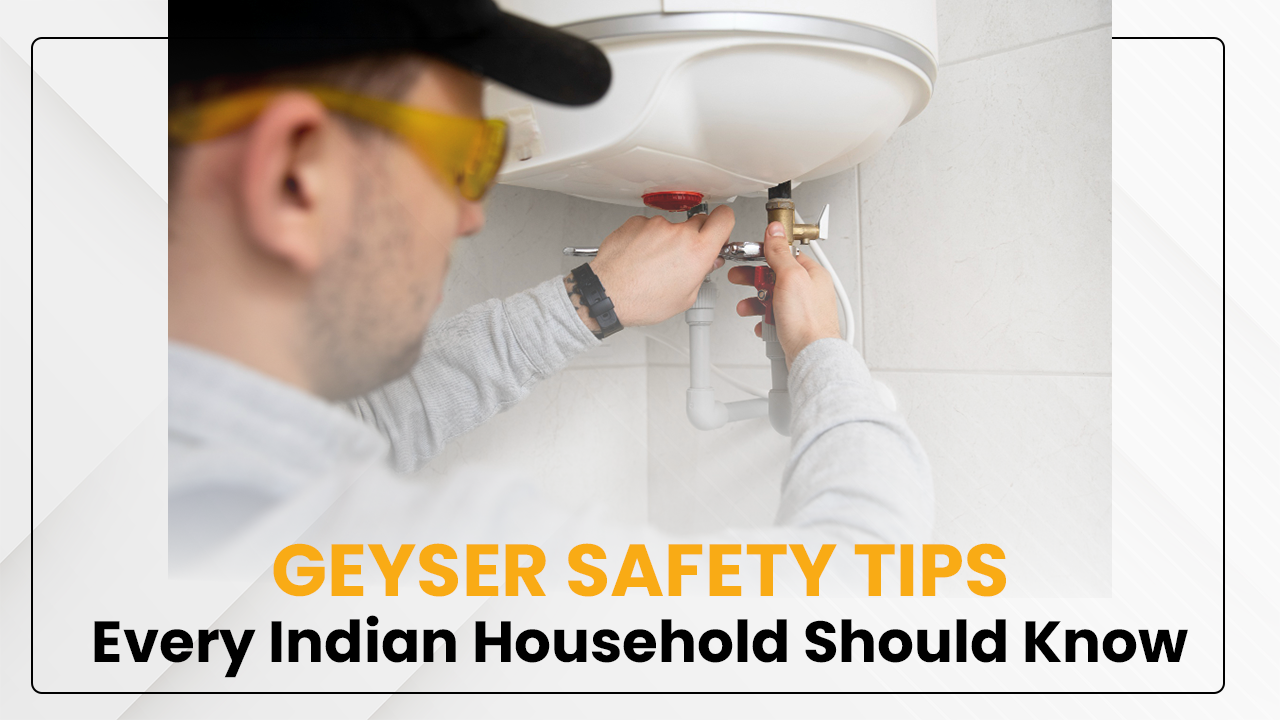
Learn essential geyser safety tips every Indian household should follow. Prevent electric shocks, leakage, and accidents with expert installation and repair services by The Mistry.
Geyser Safety Tips Every Indian Household Should Know
Geysers have become an essential part of Indian homes, especially during winters and in regions with cooler climates. From morning showers to washing utensils, hot water is a daily necessity. However, geysers also involve electricity, high water pressure, and heat—making them potentially dangerous if not installed, used, or maintained properly.
Every year, many households experience geyser-related accidents due to faulty wiring, poor earthing, or lack of maintenance. Understanding geyser safety basics and knowing when to call a professional can prevent serious injuries and property damage. This is where The Mistry provides expert geyser inspection, installation, and repair services to keep homes safe.
Why Geyser Safety Is Important in Indian Homes
Indian bathrooms often have limited ventilation and high humidity levels. Combined with hard water, voltage fluctuations, and heavy daily usage, geysers face constant stress. Many homes also rely on old wiring systems that are not designed to handle high electrical loads.
Without proper safety measures, geysers can cause electric shocks, short circuits, water leakage, or even explosions.
Common Geyser Safety Risks
1. Improper Earthing
Earthing protects users by safely directing excess electrical current into the ground. If earthing is missing or weak, electricity can pass through the geyser body, causing electric shocks.
2. Faulty Wiring and Loose Connections
Poor-quality wires or loose connections increase the risk of overheating, short circuits, and electrical fires.
3. High Water Pressure
Excess water pressure inside the geyser tank can cause internal damage and lead to leakage or bursting if pressure relief valves are faulty.
4. Hard Water Scaling
Hard water causes mineral buildup inside geyser tanks and pipes. This reduces heating efficiency and increases pressure, raising safety risks.
5. Lack of Regular Maintenance
Ignoring periodic servicing allows small issues to grow into dangerous faults.
Essential Geyser Safety Tips for Every Household
1. Ensure Proper Earthing
Always confirm that your geyser has a dedicated earthing connection. This is the most important safety feature and should be checked regularly by a professional.
2. Install a High-Quality Pressure Relief Valve
Pressure relief valves release excess pressure safely. Ensure this valve is working properly and never block its outlet.
3. Use an MCB or ELCB
Installing a Miniature Circuit Breaker (MCB) or Earth Leakage Circuit Breaker (ELCB) cuts off power instantly during faults, preventing shocks and fires.
4. Switch Off Power Before Use
For extra safety, switch off the geyser’s power supply before entering the bathroom. This simple habit reduces shock risk significantly.
5. Avoid Using Geysers with Damaged Cables
Cracked insulation or exposed wires are extremely dangerous. Replace damaged cables immediately.
6. Maintain Safe Distance from Water
Ensure switches and plug points are installed away from water sources. Avoid touching switches with wet hands.
7. Service Your Geyser Regularly
Periodic cleaning and inspection remove scale buildup, check valves, and ensure safe operation.
Signs Your Geyser Needs Immediate Attention
Contact a professional if you notice:
- Electric shocks when touching taps
- Water leakage from the geyser
- Unusual noises during heating
- Inconsistent hot water
- Burning smell or frequent tripping
Ignoring these signs can be dangerous.
What Homeowners Should Avoid
- Never attempt internal geyser repairs yourself
- Do not bypass safety devices
- Avoid low-quality or duplicate spare parts
- Do not ignore minor warning signs
DIY geyser repairs are extremely risky.
How Professionals Ensure Geyser Safety
1. Proper Installation
Professionals ensure correct placement, secure mounting, proper wiring, and safe earthing.
2. Electrical Safety Checks
Technicians inspect wiring, switches, MCBs, and earthing systems.
3. Pressure and Valve Inspection
Pressure relief valves are tested to prevent internal tank damage.
4. Cleaning and Descaling
Removing scale improves efficiency and reduces safety risks.
Why Choose The Mistry for Geyser Services
The Mistry provides:
- Trained and verified technicians
- Safe installation and repairs
- Transparent pricing
- Quick doorstep service
- Long-lasting safety solutions
Whether it’s a new geyser installation or safety inspection, The Mistry ensures complete peace of mind.
Conclusion
Geysers bring comfort, but safety must always come first. Improper installation, poor earthing, and lack of maintenance can turn a useful appliance into a serious hazard.
By following essential safety tips and relying on professional services, homeowners can enjoy hot water without risk. With The Mistry, geyser safety becomes simple, reliable, and stress-free.
Don’t take chances with electrical safety. Call The Mistry and ensure your geyser operates safely for you and your family.
1. How often should a geyser be serviced in India?
A geyser should be serviced at least once a year. In areas with hard water, servicing every 6 months is recommended to prevent scaling and pressure buildup.
2. Why is earthing important for geyser safety?
Proper earthing protects users from electric shocks by directing excess current safely into the ground. It is the most critical safety feature in any electric geyser.
3. What are the warning signs of a faulty geyser?
Common signs include electric shocks from taps, water leakage, unusual noises, burning smell, inconsistent heating, and frequent MCB tripping.
4. Can high water pressure damage a geyser?
Yes. Excessive water pressure can damage the internal tank and cause leakage or bursting if the pressure relief valve is not functioning properly.
5. Is it safe to repair a geyser yourself?
No. DIY geyser repairs are risky due to electrical components and high pressure. Always hire trained professionals for safe installation and repairs.